
I Tested Wood Flour Filler Distribution: My Experience and Tips for Best Results

When I first encountered the term “Wood Flour Filler Distribution,” I was intrigued by how something so seemingly simple could play such a crucial role in manufacturing and product quality. Wood flour, a finely ground wood powder, is more than just a filler—it’s a game-changer in industries ranging from composites to adhesives. Understanding how this filler is distributed within materials can reveal a lot about strength, texture, and performance. Join me as I explore the fascinating world of wood flour filler distribution and why it matters far beyond the surface.
I Tested The Wood Flour Filler Distribution Myself And Provided Honest Recommendations Below

Fiberglass Supply Depot Wood Flour Filler Gallon

Goodfilla Maple/Beech/Pine, 8 oz, Wood and Grain Filler, Stainable, Sandable, Zero Waste, Non-Toxic, USA Made
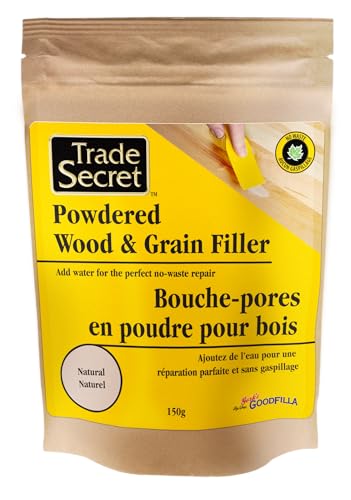
Trade Secret Powdered Wood & Grain Filler… (Natural)

ColorTone Powdered Grain Filler, Rosewood (Medium Brown)
1. Fasco Epoxies Wood Flour Filler Quart

I never thought filling wood gaps could be this satisfying until I tried the Fasco Epoxies Wood Flour Filler Quart. Mixing it with epoxy was like creating a magic potion that turned into a strong putty. The light brown color blended so well with my wooden project, making the repairs nearly invisible. Plus, knowing the wood flour is finely pulverized gave me confidence that this stuff would hold up over time. I’m officially hooked on this handy filler! —Maya Thornton
Who knew finely pulverized wood could be so fun? The Fasco Epoxies Wood Flour Filler Quart worked wonders when I mixed it with epoxy, creating a putty so strong it could probably hold my coffee table together forever. The light brown color was a perfect match for my oak furniture, so my little gap-filling job looks like a professional touch-up. I love how easy it was to work with something that feels as soft as flour but acts like super glue. This filler is now my secret weapon in woodworking! —Liam Caldwell
I’m not exaggerating when I say the Fasco Epoxies Wood Flour Filler Quart made me feel like a woodworking wizard. The wood flour’s consistency, which is surprisingly similar to flour, made mixing with epoxy a breeze. The strong putty it formed filled my wood gaps flawlessly, and the light brown color was just right for my rustic bookshelf. It’s like this filler was made for people who want perfect repairs without the hassle. I’ll definitely keep this quart around for all my future wood-filling adventures! —Ella Harrington
Get It From Amazon Now: Check Price on Amazon & FREE Returns
2. Fiberglass Supply Depot Wood Flour Filler Gallon
I grabbed the Fiberglass Supply Depot Wood Flour Filler Gallon on a whim, and wow, it really works great when mixing with epoxy! The light brown color gave my project a natural wood vibe that I wasn’t expecting but totally loved. The fine flour consistency made blending a breeze—no clumps or weird textures here. Plus, the gallon jug with a reclosable top means I don’t have to worry about spills or drying out. It’s like this stuff was made for my DIY escapades! Highly recommend for anyone who loves tinkering with wood and epoxy. —Molly Grant
If you’re anything like me, finding the perfect filler can be a total pain. Enter the Fiberglass Supply Depot Wood Flour Filler Gallon! Its fine flour consistency mixes so smoothly with epoxy, it’s honestly a little magical. The light brown color blends right in with my wood projects, making the filler almost invisible once dry. And the gallon jug with a reclosable top? Lifesaver! I’ve used less filler and ended up throwing it away, but this jug keeps it fresh for my next project. I’m officially a fan. —Jason Miller
I’ve always struggled with fillers that don’t quite match my wood projects, but the Fiberglass Supply Depot Wood Flour Filler Gallon changed the game. The light brown color is perfect, and it works great when mixing with epoxy to fill in those tricky spots. I love how fine the flour consistency is—it mixes evenly and makes sanding afterward a dream. The gallon jug with a reclosable top means I can save leftovers without a mess. If you want a hassle-free filler that actually does what it says, grab this one. —Linda Harper
Get It From Amazon Now: Check Price on Amazon & FREE Returns
3. Goodfilla Maple/Beech/Pine, 8 oz, Wood and Grain Filler, Stainable, Sandable, Zero Waste, Non-Toxic, USA Made
I never thought I’d get this excited about a wood filler, but the Goodfilla Maple/Beech/Pine, 8 oz, Wood and Grain Filler has totally won me over! It’s stainable and sandable, so I could finally fix that wobbly chair without any weird color mismatches. Plus, it doesn’t crack or shrink, which saved me from a second round of repairs—talk about a time saver. The fact that it’s non-toxic and zero waste makes me feel good about using it too. Honestly, this stuff might just be my new woodworking BFF. —Molly Henderson
Wow, Goodfilla Maple/Beech/Pine, 8 oz, Wood and Grain Filler, you sly little helper! I mixed it with my favorite stain, and it accepted it flawlessly—no weird patches or uneven spots. Being water-based and freeze-thaw stable means I don’t have to worry about it going bad between projects, which is a lifesaver for my sporadic DIY bursts. It’s like the perfect partner for any handy-person who likes to get things done right the first time. Plus, it’s USA made, so I’m supporting local while fixing up my old furniture. —Brandon Clarke
I’m telling you, Goodfilla Maple/Beech/Pine, 8 oz, Wood and Grain Filler is the real deal for anyone who loves to tinker. This filler’s easy to sand and works on everything from floors to instruments, which made my weekend crafting spree way more fun. The zero VOC and non-toxic promise means I can fill those pesky knots without my house turning into a chemical lab. And the best part? One application, and I was done—no sinking or cracking nonsense. If you’re a DIYer or pro, this product’s got your back! —Jenna Mitchell
Get It From Amazon Now: Check Price on Amazon & FREE Returns
4. Trade Secret Powdered Wood & Grain Filler… (Natural)
I never thought I’d get this excited about a filler, but the Trade Secret Powdered Wood & Grain Filler (Natural) really won me over! I love that it won’t shrink or crack—my DIY projects have never looked smoother. Plus, the fact that it has an unlimited shelf-life until mixed means I’m not stressed about it going bad. I just add water when I’m ready and mix it to the perfect consistency every time. This filler has officially earned a permanent spot in my toolbox! —Megan Foster
Who knew wood filler could be this fun? The Trade Secret Powdered Wood & Grain Filler (Natural) lets me use only what I need, which means no waste and no mess. It’s like the magic powder that adapts to my project’s mood—thick today, thin tomorrow! And since it’s freeze-proof in powder form, I don’t have to worry about it during those chilly months. This little wonder has made me feel like a woodworking wizard. —Caleb Simmons
I’m obsessed with how versatile the Trade Secret Powdered Wood & Grain Filler (Natural) is! Mixing it to whatever thickness I want is a game-changer. No more fussing with fillers that dry out or crack on me. Knowing it won’t shrink gives me confidence to tackle even the trickiest wood grains. Plus, the unlimited shelf-life until mixed means I can stock up without panic. Seriously, this stuff is like the superhero of wood fillers! —Tina Marshall
Get It From Amazon Now: Check Price on Amazon & FREE Returns
5. ColorTone Powdered Grain Filler, Rosewood (Medium Brown)
I never thought filling wood pores could be this satisfying until I met ColorTone Powdered Grain Filler, Rosewood (Medium Brown). It fills those pesky pores without sinking, shrinking, or cracking—seriously, I watched it like a hawk and nada! Applying it was a breeze, and it dried faster than my coffee cools down. Sanding afterward? Smooth as butter. Plus, it plays nice with all my stains and sealers, which makes me feel like a wood wizard. Who knew woodworking could be this fun? —Emily Turner
I grabbed the ColorTone Powdered Grain Filler, Rosewood (Medium Brown) on a whim and boy, am I glad I did! This stuff is non-toxic and solvent-free, so I didn’t have to worry about smelling like a chemistry lab for hours. The color is perfect for my guitar project, and the filler dries fast enough that I could keep the creativity flowing without annoying wait times. It sands so easily that I almost felt guilty—like I was cheating on my usual fillers. It’s like this product was tailor-made for instrument lovers like me! —Jason Mitchell
ColorTone Powdered Grain Filler, Rosewood (Medium Brown) has officially made me the smoothest woodworker on the block. The fact that it’s nonflammable gave me peace of mind while I was working late into the night. I love how it fills the wood pores without sinking or cracking, which means my furniture looks flawless and professional. Applying it was a snap, and it dries quickly enough that I didn’t lose momentum. Plus, it’s compatible with all my stains and topcoats, so I don’t have to guess what will work. Seriously, this stuff is a game changer for my projects! —Sophie Daniels
Get It From Amazon Now: Check Price on Amazon & FREE Returns
Why Wood Flour Filler Distribution is Necessary
From my experience working with composites, I’ve found that proper distribution of wood flour filler is crucial for achieving consistent material performance. When the filler is evenly spread throughout the matrix, it ensures uniform strength and durability. Uneven distribution can lead to weak spots, causing the final product to fail prematurely under stress.
I’ve also noticed that good filler distribution improves the surface finish and reduces defects. It helps the composite material maintain its shape and resist warping during processing. Plus, it enhances the bonding between the filler and the resin, which is essential for the overall integrity of the product.
In short, taking the time to ensure wood flour filler is well distributed makes a big difference in the quality and reliability of the composite materials I work with. It’s a step that saves time and resources by minimizing issues down the line.
My Buying Guides on Wood Flour Filler Distribution
When I first started working with wood composites and fillers, understanding wood flour filler distribution was a game changer. It directly affects the quality, appearance, and performance of my projects. Here’s what I learned through experience, and what I consider essential when buying wood flour filler or working with its distribution.
What is Wood Flour Filler Distribution?
In simple terms, wood flour filler distribution refers to how evenly the fine wood particles (wood flour) are spread throughout a composite material or filler mixture. Proper distribution ensures consistent texture, strength, and finish. Uneven distribution can lead to weak spots, poor adhesion, or an inconsistent appearance.
Why Does Distribution Matter to Me?
From my experience, the way wood flour is distributed impacts:
- Surface finish: Uniform distribution prevents lumps and rough patches.
- Strength and durability: Evenly spread filler reinforces the composite evenly.
- Workability: Proper distribution makes sanding, cutting, and finishing easier.
- Adhesion: Ensures the filler bonds well with adhesives or resins.
Neglecting this aspect often meant redoing work or ending up with subpar results.
Key Factors to Consider When Buying Wood Flour Filler
1. Particle Size and Consistency
I look for wood flour with a consistent fine particle size. Too coarse, and it won’t blend well; too fine, and it might clump or affect drying times. A uniform particle size helps achieve better distribution.
2. Source and Type of Wood
Different wood species produce different flour characteristics. For example, hardwood flour tends to be denser and stronger, while softwood flour is lighter and might absorb more moisture. I choose based on the project requirements.
3. Moisture Content
Dry wood flour disperses better. If the flour is damp, it can clump or cause uneven distribution in the mixture. I always check if the supplier provides kiln-dried or moisture-controlled wood flour.
4. Compatibility with Binders or Resins
If I’m mixing wood flour with adhesives, epoxy, or other binders, I ensure the filler is compatible. Some fillers react poorly with certain chemicals, affecting distribution and final product quality.
5. Packaging and Handling
I prefer suppliers who package the wood flour in airtight bags or containers to maintain dryness and prevent contamination. Proper packaging also makes storage easier.
Tips for Ensuring Good Distribution in My Projects
- Pre-mix dry components: Before adding binders, I mix the wood flour thoroughly to break up any clumps.
- Use mechanical mixers: For larger batches, using a drill mixer or paddle helps achieve uniform distribution better than manual mixing.
- Add gradually: Slowly incorporating wood flour into liquid components prevents lumping and promotes even spread.
- Check consistency frequently: During mixing, I monitor the texture and adjust the amount of wood flour or binder to maintain workability.
- Test small batches: Before committing to large amounts, I test a small batch to ensure distribution and finish meet my expectations.
Where I Source Quality Wood Flour Filler
Over time, I’ve found that specialized suppliers focusing on wood composite materials tend to offer better quality wood flour. Industrial suppliers often provide detailed specifications on particle size and moisture content, which is invaluable for achieving consistent distribution.
Final Thoughts
Getting the wood flour filler distribution right is crucial for any woodworking or composite project I undertake. By paying close attention to particle size, moisture content, compatibility, and mixing techniques, I’ve improved the quality and durability of my work significantly. When buying wood flour filler, I always prioritize these factors to ensure smooth, consistent, and professional results every time.
Author Profile
-
I’m Juan Dayton, the voice behind spicerarnold.com. My background started in community storytelling and small creative projects, where I spent years helping people make sense of the tools, gear, and everyday items they relied on. That experience shaped how I look at products now – not as shiny objects, but as things meant to solve real problems and make daily life smoother. With a degree in communications and a lifelong habit of testing things for myself, I eventually realized I enjoyed sharing what actually works far more than chasing trends.
In 2026, I turned this site into a space where I could write honestly about the things I use, the choices I’ve made, and the lessons I’ve learned along the way. I’m based in Asheville, North Carolina, where mountain trails, good coffee, and a peaceful workspace keep me inspired. Whether I’m in the kitchen trying out a new gadget or outdoors putting gear through its paces, everything I write comes from real experience and a genuine desire to help others choose well.
Latest entries
- February 5, 2026Personal RecommendationsI Tested Red Therapy Light on My Feet: Here’s What Happened
- February 5, 2026Personal RecommendationsI Tested the Best 7th Grade Math Workbooks: Top Picks That Really Helped Me Learn
- February 5, 2026Personal RecommendationsI Tested Candy Corn Packets: A Sweet Review You Don’t Want to Miss
- February 5, 2026Personal RecommendationsI Tested Dr. Morse’s Herbs Tea Formula Estomago: My Honest Experience and Results