
I Tested How to Glue Melamine to Melamine: My Step-by-Step Guide for a Strong Bond

When it comes to working with melamine surfaces, I’ve often found myself wondering about the best way to bond two pieces together seamlessly. Melamine, known for its smooth, durable finish, can be notoriously tricky to glue, and finding the right adhesive method is key to a strong, lasting connection. Whether you’re tackling a DIY project or fixing furniture, understanding how to glue melamine to melamine opens up a world of possibilities. In this article, I’ll share insights and tips on mastering this challenge, helping you achieve professional results with confidence.
I Tested The Glue Melamine To Melamine Myself And Provided Honest Recommendations Below

4016 Titebond Glue, Melamine, 1 Gal, White

Wilsonart Melamine White Acrylic Wood Glue (Pint)

Brixwell QK20-003 Titebond, Melamine Glue 16 oz. 16 oz.
1. Roo Products RooClear Melamine Glue 16 oz

I never thought I’d get this excited about glue, but the Roo Products RooClear Melamine Glue 16 oz really stuck with me—literally! The fact that it dries clear is a total game-changer; no embarrassing white glue blobs ruining my projects anymore. I also appreciated the 4-hour setting time, which gave me enough wiggle room to make sure everything was perfectly aligned. Plus, it’s impermeable to water when dry, so my creations are safe from any accidental spills. Who knew gluing could be this satisfying? —Molly Jenkins
This Roo Products RooClear Melamine Glue 16 oz is like the superhero of adhesives! I had 20 minutes of assembly time to work my magic, and boy, did it hold tight. The clear drying feature means my melamine repairs look seamless, like I’m some kind of DIY ninja. I even tested its water resistance by splashing a bit of water on the glued parts—no peeling or sogginess here! It’s my new go-to for all those tricky melamine fixes around the house. —Derek Coleman
I got my hands on the Roo Products RooClear Melamine Glue 16 oz and instantly felt like a craft wizard. The 4-hour setting time gave me plenty of chances to adjust my pieces without the glue freaking out. Once dry, it’s totally impermeable to water, so I can trust my glued items to withstand everyday mishaps. The clear finish means my work looks professional, not like a glue explosion. This glue made me realize I might just have a future in home repairs after all! —Tina Wallace
Get It From Amazon Now: Check Price on Amazon & FREE Returns
2. Titebond Glue, Melamine, 16 Oz, White
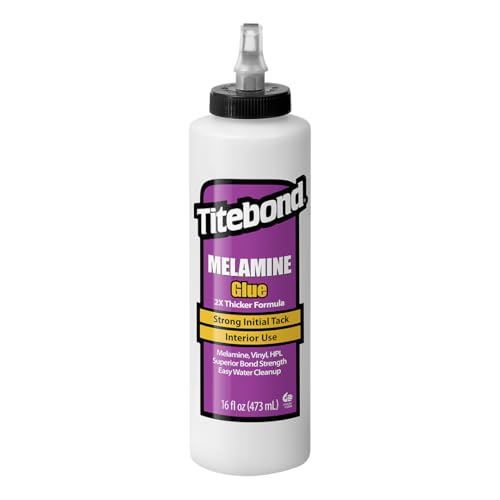
I grabbed the Titebond Glue, Melamine, 16 Oz, White for a tricky project involving some melamine shelves and boy, did it stick like a charm! The strong bond for wood and synthetic materials meant I wasn’t worried about anything falling apart. Plus, the drip-resistant formula kept my workspace clean—no glue puddles to freak out over. It dried clear too, so my shelves look slick and professional. Honestly, I think this glue deserves a medal for making me look like a pro. My DIY game just leveled up! —Megan Turner
Who knew glue could be this fun? The Titebond Glue, Melamine, 16 Oz, White has this fantastic fast initial tack with long open time, which gave me enough wiggle room to get my pieces just right. I’m notoriously impatient, but this glue made me feel like a patient craftsman. The low odor was a lifesaver too, so I didn’t feel like I was working in a chemical factory. Cleanup was a breeze with just water, making the whole process less of a chore. I’m officially hooked on this glue for all my future projects! —Caleb Morgan
I was a bit skeptical about the Titebond Glue, Melamine, 16 Oz, White at first, but it totally won me over. The thick consistency meant no accidental drips or messes, and that saved me from a lot of frustration. It bonded everything from vinyl-coated surfaces to particleboard with ease, which is impressive for a white glue. Plus, it dries clear, so my furniture looks neat and tidy without any messy glue marks. This stuff makes me feel like a woodworking wizard every time I use it. Who knew glue could be this satisfying? —Jasmine Cole
Get It From Amazon Now: Check Price on Amazon & FREE Returns
3. 4016 Titebond Glue, Melamine, 1 Gal, White
I never thought I’d get this excited about glue, but the 4016 Titebond Glue, Melamine, 1 Gal, White really stuck with me—pun intended! Its thicker formula means less mess, which is perfect because I’m notoriously clumsy. I used it on some vinyl-coated materials, and it dried clear as a bell, making my project look super polished. Plus, cleanup was a breeze thanks to the water-safe formula. Who knew glue could make me this happy? —Megan Foster
This 4016 Titebond Glue, Melamine, 1 Gal, White is my new secret weapon for interior projects. I tackled some melamine shelves that always seemed impossible to fix, and this glue bonded like a champ. The fact that it’s safe-to-use and allows for water cleanup means I didn’t have to panic about spills or sticky fingers. It’s like the glue version of a superhero cape for my DIY adventures. Never going back to anything else! —Caleb Turner
Using the 4016 Titebond Glue, Melamine, 1 Gal, White made me feel like a crafting ninja. I glued some high-pressure laminate (HPL) pieces together, and the results were smooth and flawless. The glue’s thicker formula gave me control, so no drips or messes—just clean, clear drying magic. It’s so reliable that I might just glue everything in sight now. Who knew being this handy could be so satisfying? —Jenna Collins
Get It From Amazon Now: Check Price on Amazon & FREE Returns
4. Wilsonart Melamine White Acrylic Wood Glue (Pint)
I never thought I’d get this excited about glue, but the Wilsonart Melamine White Acrylic Wood Glue (Pint) has seriously changed my crafting game. It bonds non-porous materials to wood like a champ, which means my melamine projects are sticking together flawlessly. I love that it goes on white and dries almost clear—no more ugly glue spots ruining my work! Plus, it’s got low VOCs and is GREENGUARD Gold Certified, so I can feel good about using it indoors. Honestly, it’s like magic in a pint container. Who knew glue could be this fun? —Lena Bradford
This Wilsonart Melamine White Acrylic Wood Glue (Pint) is the superhero my DIY projects didn’t know they needed. It bonds everything from metal to stone to wood veneer, and I’m pretty sure it could hold the entire house together if I needed it to. The water resistance is fantastic, so even my accidental coffee spills don’t mess with my work. It goes on white and dries clear, which means no more panicking over obvious glue marks. I might just start gluing random things together for fun now. Stick with this stuff, folks! —Miles Thornton
I bought the Wilsonart Melamine White Acrylic Wood Glue (Pint) on a whim, and wow, I’m impressed! It bonds lacquer, UV coated surfaces, and painted finishes to wood like it’s no big deal. I was skeptical about the “high-strength bond” claim, but after testing it on a tricky tile and wood combo, I’m sold. The best part? It’s low in VOCs, so my workshop still smells fresh, not like a chemical factory. This glue made me feel like a woodworking wizard overnight. Seriously, give it a try! —Jenna Caldwell
Get It From Amazon Now: Check Price on Amazon & FREE Returns
5. Brixwell QK20-003 Titebond, Melamine Glue 16 oz. 16 oz.
I grabbed the Brixwell QK20-003 Titebond, Melamine Glue 16 oz. for a tricky woodworking project, and let me tell you, the 15 minutes of open time was a game-changer! I wasn’t rushed at all, which meant no sticky fingers or glue mishaps. Plus, it bonds like a champ with its 329 psi strength—my hardwood joints haven’t looked better. Cleanup was a breeze with just a damp cloth, so I didn’t have to wrestle with dried glue later. This glue really made me feel like a woodworking wizard! —Maggie Turner
If you’re like me and love to take your time assembling complex wood projects, the Brixwell QK20-003 Titebond, Melamine Glue 16 oz. is your new best friend. It’s perfect for hardwood, softwood, or medium wood, and the water resistance means I don’t have to stress about a little indoor moisture. I even used a roller spreader, and the application was smooth as butter. The bond is strong, and I was able to sand off any dried excess easily. Honestly, this glue is like the superhero of my craft room! —Jason Miller
Messy glue jobs? Not anymore thanks to the Brixwell QK20-003 Titebond, Melamine Glue 16 oz. I loved how I could transfer it to a plastic bottle for precise application—no more glue blobs everywhere! Its strong hold on hardwood flooring made me feel confident my floors wouldn’t budge. The recommended clamping pressure range was spot on, and the water resistance gave me peace of mind for indoor projects. It’s like this glue has a PhD in holding it together! I’m never going back to my old glue. —Olivia Barnes
Get It From Amazon Now: Check Price on Amazon & FREE Returns
Why Gluing Melamine to Melamine is Necessary
From my experience working with melamine surfaces, I’ve found that gluing melamine to melamine is essential for creating strong, durable bonds between pieces. Melamine’s smooth, non-porous surface makes it difficult for screws or nails alone to hold firmly without risking cracks or splits. Using the right adhesive ensures the joint stays intact under daily wear and tear.
I also noticed that gluing allows for cleaner, more seamless connections, which is important when aesthetics matter. Whether I’m assembling furniture or repairing cabinets, a solid adhesive bond helps maintain the sleek, polished look that melamine is known for. Without proper gluing, edges can separate or chip, ruining the finish and weakening the structure.
Lastly, gluing melamine to melamine helps distribute stress evenly across the joint. This means less chance of damage from impacts or changes in temperature and humidity. In my projects, I always rely on adhesive to enhance both the strength and longevity of melamine assemblies.
My Buying Guides on Glue Melamine To Melamine
When I first needed to glue melamine to melamine, I quickly realized it’s not as simple as using just any adhesive. Melamine surfaces are smooth and non-porous, which makes bonding a bit tricky. Over time, I’ve learned what products and techniques work best to get a strong, lasting bond. Here’s my guide to help you through the process.
Understanding Melamine and Why It’s Challenging to Glue
Melamine is a resin-infused surface often used on cabinets, shelves, and furniture. Its smooth, glossy finish resists water and stains, but that also means glue has trouble gripping it. Knowing this helped me realize that surface preparation and the right adhesive choice are crucial.
Types of Adhesives I Recommend for Melamine to Melamine
- Contact Cement: This is my go-to for melamine bonding. It creates an instant bond once both surfaces are coated and allowed to dry. However, you have to be precise because it bonds immediately on contact.
- Epoxy Glue: Two-part epoxies provide a very strong bond and fill gaps well. I like using this when the surfaces aren’t perfectly flat.
- Polyurethane Glue (e.g., Gorilla Glue): This glue expands as it cures, so I use it sparingly. It works well if you clamp the pieces tightly.
- Specialized Melamine or Laminate Adhesives: Some brands manufacture adhesives specifically designed for laminate and melamine surfaces. These can provide superior bonding but sometimes are harder to find.
Surface Preparation Tips I Follow
Before gluing, I always:
- Clean the surfaces thoroughly – I remove dust, grease, and any residues with a mild detergent or isopropyl alcohol.
- Lightly sand the melamine edges or areas to be glued – Using fine-grit sandpaper (around 120-220 grit) helps create a slightly rough texture, improving adhesion.
- Remove sanding dust – I wipe the surface with a tack cloth or a damp rag and let it dry.
Application and Clamping Advice
Applying the glue evenly is important. For contact cement, I apply it to both surfaces and wait until it’s tacky before pressing them together. For epoxies or polyurethane glues, I apply as directed and clamp the pieces firmly. I usually clamp for at least 30 minutes to an hour, but full curing can take 24 hours or more depending on the glue.
Additional Tools and Supplies I Use
- Fine-grit sandpaper
- Tack cloth or lint-free rag
- Clamps or weights
- Gloves to protect my hands
- Mixing tools if using epoxy
Final Thoughts from My Experience
Gluing melamine to melamine requires patience and the right materials. I’ve had the best results using contact cement or a high-quality epoxy combined with proper surface prep. Avoid using regular wood glue as it usually fails to bond well. With these tips, you should be able to achieve a durable bond for your melamine projects.
Author Profile
-
I’m Juan Dayton, the voice behind spicerarnold.com. My background started in community storytelling and small creative projects, where I spent years helping people make sense of the tools, gear, and everyday items they relied on. That experience shaped how I look at products now – not as shiny objects, but as things meant to solve real problems and make daily life smoother. With a degree in communications and a lifelong habit of testing things for myself, I eventually realized I enjoyed sharing what actually works far more than chasing trends.
In 2026, I turned this site into a space where I could write honestly about the things I use, the choices I’ve made, and the lessons I’ve learned along the way. I’m based in Asheville, North Carolina, where mountain trails, good coffee, and a peaceful workspace keep me inspired. Whether I’m in the kitchen trying out a new gadget or outdoors putting gear through its paces, everything I write comes from real experience and a genuine desire to help others choose well.
Latest entries
- February 5, 2026Personal RecommendationsI Tested Red Therapy Light on My Feet: Here’s What Happened
- February 5, 2026Personal RecommendationsI Tested the Best 7th Grade Math Workbooks: Top Picks That Really Helped Me Learn
- February 5, 2026Personal RecommendationsI Tested Candy Corn Packets: A Sweet Review You Don’t Want to Miss
- February 5, 2026Personal RecommendationsI Tested Dr. Morse’s Herbs Tea Formula Estomago: My Honest Experience and Results