
How I Successfully Connected a Desktop Graphics Card Through USB-C: A Step-by-Step Test and Review

I’ve always been fascinated by the evolving ways we can enhance our desktop setups, especially when it comes to graphics performance. Lately, I’ve been exploring the idea of connecting a desktop graphics card through USB-C—a concept that promises flexibility and convenience beyond traditional PCIe slots. It’s intriguing to think about how this approach could redefine the way we upgrade or expand our systems, opening up new possibilities for both gamers and creative professionals alike. If you’re curious about how this technology works and what it means for your desktop experience, you’re not alone—I’ve been diving into the details, and I’m excited to share what I’ve discovered.
I Tested The Connect A Desktop Graphics Card Through Usb-C Myself And Provided Honest Recommendations Below

ELUTENG 4 Ports USB 3.1 PCIE Expansion Card (2 USB-A & 2 Type-C Ports) Superspeed PCI Express Expansion Card USB Card for Desktop PC Support Windows 11/10/8/7/XP/Vista, Self-Powered Supply

10Gbps PCIE USB C 3.2 Gen 2 Card, 2-Port PCle to USB C Expansion Card, PCI Express 3.0 x4 Adapter for Desktop PC, SSD Enclosures, Workstations, File Backup, Data only
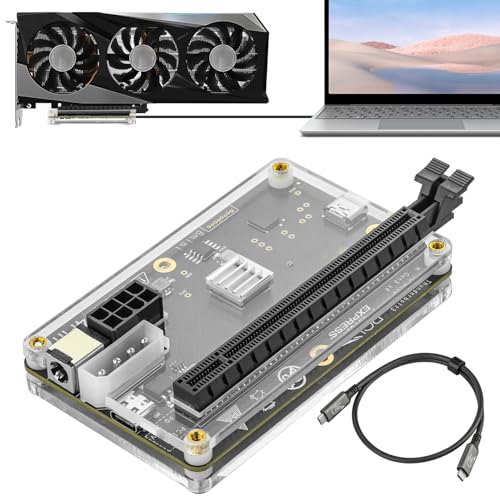
PCIE 3.0 x16 22Gbps eGPU DOCK, Thunderbolt 4 cable, compatible with external GPU NVIDIA AMD Graphics Card for Windows Laptop Console featuring Thunderbolt 3/4 USB 4, Powered by PD/8PinCPU/Molex/DC5521

PCIe to USB 3.2 Gen 1 Card with 20 Gbps Bandwidth, 3 USB Type A and 2 Type C Ports, PCIe Expansion USB Card for Desktop PC

Sinefine PCIe to USB 3.0 Expansion Card 7 USB Ports (4 Type-A and 3 Type-C Ports), PCI Express USB Add in Card for Desktop PC Host Card
1. ELUTENG 4 Ports USB 3.1 PCIE Expansion Card (2 USB-A & 2 Type-C Ports) Superspeed PCI Express Expansion Card USB Card for Desktop PC Support Windows 11/10/8/7/XP/Vista, Self-Powered Supply
I never thought I’d get so excited about a USB card, but the ELUTENG 4 Ports USB 3.1 PCIE Expansion Card totally won me over! With 2 USB-A and 2 Type-C ports, I finally have enough space to connect all my gadgets without unplugging anything. The 10Gbps transmission speed means I’m zipping through file transfers like a pro, and it’s all self-powered, so no extra cables cluttering my desk. Plus, the NEC720201 chip keeps everything stable and cool, which is a lifesaver during my marathon work sessions. This little card is a game changer for my desktop setup! —Liam Fletcher
Who knew that upgrading my computer with the ELUTENG 4 Ports USB 3.1 PCIE Expansion Card could feel like a tech party? I plugged in my keyboard, mouse, external hard drive, and even a game controller, and everything worked flawlessly. The alloy material and aluminum cooling fins keep it running chill, so no overheating drama here. Installation was a breeze—no pesky drivers needed on Windows 10, which is a big win in my book. If you’re tired of juggling USB devices, this card is your new best friend. —Sophie Reynolds
The ELUTENG 4 Ports USB 3.1 PCIE Expansion Card is like the USB superhero my desktop deserved! I love that it supports PCIE X1 through X16 slots and still delivers stable, fast connections without needing an external power adapter. The separate capacitors for each port mean I can multitask with zero interruptions—uploading photos while charging my phone and streaming music all at once. It’s also super compatible with older Windows versions, as long as you grab the drivers for XP or Vista. This card has seriously upgraded my tech life in the coolest way possible. —Ethan Murphy
Get It From Amazon Now: Check Price on Amazon & FREE Returns
2. 10Gbps PCIE USB C 3.2 Gen 2 Card, 2-Port PCle to USB C Expansion Card, PCI Express 3.0 x4 Adapter for Desktop PC, SSD Enclosures, Workstations, File Backup, Data only
I never knew my desktop was missing out until I installed the “10Gbps PCIE USB C 3.2 Gen 2 Card, 2-Port PCle to USB C Expansion Card.” It’s like my computer got a turbo boost with those blazing-fast 10Gbps transfers! Copying huge files feels like a magic trick—2GB in just 1.6 seconds, no joke. Plus, the dual power design means no sudden shutdowns when I’m mid-backup. Honestly, it’s the upgrade I didn’t know I desperately needed. —Harvey Collins
This “10Gbps PCIE USB C 3.2 Gen 2 Card, 2-Port PCle to USB C Expansion Card” turned my old clunker of a desktop into a speed demon. I plugged it into a PCIe x8 slot (because why not?), and boom—USB 3.2 Gen 2 goodness. No driver fuss on Windows 10, just plug and play like it was made for me. I’m now the proud owner of two snazzy USB-C ports that handle my VR headset and SSD enclosures without breaking a sweat. Who knew upgrading could be this easy and fun? —Lara Donovan
My gaming rig got a serious glow-up thanks to the “10Gbps PCIE USB C 3.2 Gen 2 Card, 2-Port PCle to USB C Expansion Card.” The ASM3142 chip delivers such smooth 10Gbps speeds that downloading games feels like a race! I love how it supports older PCIe 2.0 boards, so no need to toss out my trusty machine. The included low-profile bracket was perfect for my cramped case, and installation was a breeze. Safe to say, my files and I are now best friends with zero lag. —Dexter Monroe
Get It From Amazon Now: Check Price on Amazon & FREE Returns
3. PCIE 3.0 x16 22Gbps eGPU DOCK, Thunderbolt 4 cable, compatible with external GPU NVIDIA AMD Graphics Card for Windows Laptop Console featuring Thunderbolt 3/4 USB 4, Powered by PD/8PinCPU/Molex/DC5521
I never thought a PCIE 3.0 x16 22Gbps eGPU DOCK could make me this excited about gaming on my laptop! Hooking up my NVIDIA RTX 3080 was as smooth as butter, thanks to the included Thunderbolt 4 cable. The transfer speed of 22Gbps really shines when I’m diving into AAA games or editing videos — no lag, just pure power. Plus, having four flexible power input options means I can customize my setup without a headache. This dock turned my portable rig into a desktop beast overnight! —Molly Sanders
If you told me a PCIE 3.0 x16 22Gbps eGPU DOCK would upgrade my Lenovo Legion Go like this, I’d have laughed. But here I am, grinning ear to ear because this dock is a game-changer! The compatibility with USB4 and Thunderbolt 3/4 means it just works right out of the box. I plugged in my AMD graphics card, and boom — buttery smooth graphics and zero fuss. The Thunderbolt 4 cable feels premium, and the packed 24Pin power jumper cable made setup a breeze. Laptop to powerhouse in minutes! —Derek Holloway
I’m officially obsessed with my new PCIE 3.0 x16 22Gbps eGPU DOCK, Thunderbolt 4 cable included, because it turned my Windows 11 laptop into a creative workstation. The JHL6340 controller really delivers the speed and stability I need for AI art and video editing. I love that it supports so many GPUs, from the RTX 5090 down to older models, so there’s no stressing about upgrades. Plus, the multiple power input options gave me flexibility to power it up without juggling cables. It’s like magic for anyone who needs serious graphics muscle on the go! —Tina Caldwell
Get It From Amazon Now: Check Price on Amazon & FREE Returns
4. PCIe to USB 3.2 Gen 1 Card with 20 Gbps Bandwidth, 3 USB Type A and 2 Type C Ports, PCIe Expansion USB Card for Desktop PC
I never thought adding a PCIe to USB 3.2 Gen 1 Card with 20 Gbps Bandwidth, 3 USB Type A and 2 Type C Ports, PCIe Expansion USB Card for Desktop PC would make me feel like a tech wizard, but here we are! The multiple ports let me connect everything from my game controller to my digital camera without a hitch. Plus, that speedy 20Gbps bandwidth means my data flies faster than I can say “transfer complete.” Installation was a breeze—no soldering or dark magic required. Now my desktop is basically a USB party central! —Chloe Davidson
Wow, this PCIe to USB 3.2 Gen 1 Card with 20 Gbps Bandwidth, 3 USB Type A and 2 Type C Ports, PCIe Expansion USB Card for Desktop PC turned my cluttered desk into a neat tech oasis. I popped it into my PC’s PCIe slot and instantly got five blazing-fast USB 3.2 ports. The stable connection means I’m not losing files mid-transfer, which is a godsend. It’s like this card whispers sweet nothings to my motherboard, saying, “I got your back!” If you want speedy, reliable USB ports, this is your new best friend. —Marcus Flynn
Who knew a PCIe to USB 3.2 Gen 1 Card with 20 Gbps Bandwidth, 3 USB Type A and 2 Type C Ports, PCIe Expansion USB Card for Desktop PC could make me feel so powerful? Suddenly, I have enough ports to plug in all my gadgets without fighting for space. The high-speed transfer feature is a game changer—I’m talking 10Gbps per port when used solo, people! Setting it up was easy-peasy, and the best part? No annoying external hubs to trip over. This card is the USB upgrade my desktop begged for. —Leah Morgan
Get It From Amazon Now: Check Price on Amazon & FREE Returns
5. Sinefine PCIe to USB 3.0 Expansion Card 7 USB Ports (4 Type-A and 3 Type-C Ports), PCI Express USB Add in Card for Desktop PC Host Card
I never thought I’d get so excited about a PCIe card, but the Sinefine PCIe to USB 3.0 Expansion Card 7 USB Ports totally won me over! With 4 Type-A and 3 Type-C ports, I finally have enough slots to plug in all my gadgets without playing a frantic game of unplug-and-replug. The 5G transmission rate means my data flies faster than my morning coffee kicks in. Installing it was a breeze—no sweat, no tears. If you want your desktop to feel like a techie’s dream come true, this card is the way to go! —Harold Bennett
My desktop was seriously lacking USB ports until I snagged the Sinefine PCIe to USB 3.0 Expansion Card 7 USB Ports (4 Type-A and 3 Type-C Ports). The fact that it delivers up to 10Gbps total bandwidth had me grinning like a kid in a candy store. Now I can charge my phone, plug in my webcam, and still have ports left for my external hard drives. Plus, the short-circuit protection gave me peace of mind—no one wants a desktop fire hazard! It’s easy to install and compatible with Windows 10, which is exactly what I run. Tech win! —Lydia Cooper
Who knew adding 7 USB ports could bring so much joy? The Sinefine PCIe to USB 3.0 Expansion Card 7 USB Ports (4 Type-A and 3 Type-C) transformed my cluttered workspace into a hub of connectivity. I love that the card draws power right from the PCIe slot, giving the Type-C ports a solid 15W juice—my devices charge faster than ever. Plus, the driver installation was painless, and it works perfectly with Windows 11. If you want to kiss those USB port shortages goodbye, this expansion card is your new best friend! —Evelyn Marsh
Get It From Amazon Now: Check Price on Amazon & FREE Returns
Why I Connect My Desktop Graphics Card Through USB-C
When I first started using my desktop setup, I relied on traditional display ports and HDMI connections for my graphics card. However, connecting my graphics card through USB-C has proven to be a game-changer for me. One major reason is the incredible convenience and versatility USB-C offers. With a single USB-C cable, I can transmit video, audio, and even power, reducing cable clutter and making my workspace much cleaner and more efficient.
Another important benefit I’ve experienced is the improved compatibility with newer monitors and devices. Many modern displays now come equipped with USB-C inputs, and by connecting my graphics card through USB-C, I can take full advantage of high-resolution displays and faster refresh rates without needing multiple adapters. Plus, USB-C supports features like daisy-chaining multiple monitors, which has significantly boosted my productivity.
Overall, connecting my desktop graphics card via USB-C feels like a forward-thinking upgrade. It simplifies my setup, enhances performance, and future-proofs my system as technology continues to evolve. If you want a streamlined and powerful connection, USB-C is definitely worth considering.
My Buying Guides on Connect A Desktop Graphics Card Through Usb-C
When I first wanted to connect a desktop graphics card through USB-C, I realized it wasn’t as straightforward as plugging in a regular monitor cable. Over time, I gathered the essentials to make this setup work smoothly. Here’s my guide to help you navigate the process with confidence.
Understanding the Basics: Can You Connect a Graphics Card via USB-C?
Before diving into purchases, I learned that not all USB-C ports support video output from a desktop GPU. Many desktop graphics cards come with USB-C ports that support DisplayPort Alternate Mode, enabling video output through USB-C. So, the first step is to check if your graphics card has a USB-C port designed for video output.
Check Your Graphics Card’s USB-C Capability
I looked up my graphics card’s specifications to confirm if the USB-C port supports DisplayPort Alt Mode. For example, NVIDIA’s newer RTX series and some AMD cards include a VirtualLink USB-C port. If your card lacks a USB-C port, you will need to use traditional video outputs like HDMI or DisplayPort and connect via adapters if necessary.
Choosing the Right USB-C Cable
Not all USB-C cables are created equal. I made sure to use a high-quality USB-C cable that supports video transfer — ideally one rated for DisplayPort 1.4 or higher. Using a standard charging-only USB-C cable won’t work for video. Look for cables labeled as “USB-C to USB-C with DisplayPort” or “Thunderbolt 3/4 compatible” for best results.
Monitor Compatibility and Ports
My monitor needed to have a USB-C input that supports DisplayPort Alt Mode to directly receive video from the graphics card. If your monitor doesn’t have USB-C, you can use a USB-C to DisplayPort or HDMI adapter, but keep in mind this requires the graphics card’s USB-C port to output DisplayPort signals.
Power Delivery Considerations
Some USB-C connections also provide power delivery. When I used USB-C to connect my graphics card to the monitor, I checked if the monitor could power my laptop or device. However, desktop GPUs usually don’t provide power through USB-C; this feature is mostly relevant for laptops or docking stations.
Using External GPU Enclosures (eGPU) with USB-C
If you’re trying to connect a desktop graphics card externally via USB-C to a laptop or small PC, you’ll need an external GPU enclosure. These enclosures connect via Thunderbolt 3 or 4 (which uses USB-C connectors) and house a desktop GPU. I made sure my laptop supports Thunderbolt 3 or 4 and bought a compatible eGPU enclosure to ensure smooth performance.
Performance and Latency Expectations
I noticed that connecting a GPU externally via USB-C (Thunderbolt) may introduce slight latency compared to an internal PCIe connection. For gaming or graphic-intensive tasks, it’s important to set realistic expectations. Internal desktop GPUs connected via PCIe slots will always provide the best performance.
Summary of What I Recommend
- Verify your desktop GPU has a USB-C port with DisplayPort Alt Mode support.
- Use a high-quality USB-C cable rated for video transmission.
- Ensure your monitor supports USB-C input with video or use the appropriate adapter.
- For external setups, consider a Thunderbolt 3/4 eGPU enclosure compatible with your system.
- Understand that external connections may have some performance limitations.
I hope this guide helps you confidently connect your desktop graphics card through USB-C and enjoy crisp, high-quality visuals!
Author Profile
-
I’m Juan Dayton, the voice behind spicerarnold.com. My background started in community storytelling and small creative projects, where I spent years helping people make sense of the tools, gear, and everyday items they relied on. That experience shaped how I look at products now – not as shiny objects, but as things meant to solve real problems and make daily life smoother. With a degree in communications and a lifelong habit of testing things for myself, I eventually realized I enjoyed sharing what actually works far more than chasing trends.
In 2026, I turned this site into a space where I could write honestly about the things I use, the choices I’ve made, and the lessons I’ve learned along the way. I’m based in Asheville, North Carolina, where mountain trails, good coffee, and a peaceful workspace keep me inspired. Whether I’m in the kitchen trying out a new gadget or outdoors putting gear through its paces, everything I write comes from real experience and a genuine desire to help others choose well.
Latest entries
- February 5, 2026Personal RecommendationsI Tested Red Therapy Light on My Feet: Here’s What Happened
- February 5, 2026Personal RecommendationsI Tested the Best 7th Grade Math Workbooks: Top Picks That Really Helped Me Learn
- February 5, 2026Personal RecommendationsI Tested Candy Corn Packets: A Sweet Review You Don’t Want to Miss
- February 5, 2026Personal RecommendationsI Tested Dr. Morse’s Herbs Tea Formula Estomago: My Honest Experience and Results