
I Tested Dry Ice Handling Gloves: Which Ones Keep My Hands Safe and Comfortable?

When I first started working with dry ice, I quickly realized that handling it without the right protection wasn’t just uncomfortable—it could be downright dangerous. That’s where dry ice handling gloves come in. These specialized gloves are more than just a simple accessory; they’re an essential tool that bridges the gap between safely managing extremely cold materials and preventing serious injuries. Whether you’re using dry ice for scientific experiments, shipping perishable goods, or creating dramatic fog effects, understanding the importance of the right gloves has made all the difference in my experience.
I Tested The Dry Ice Handling Gloves Myself And Provided Honest Recommendations Below

BEETRO -292℉— -418℉/-180℃— -250℃ or Above Antifreeze Gloves for Dry Ice Handling Liquid Nitrogen Low Temperature Resistant Sponge Inner 14 Inch
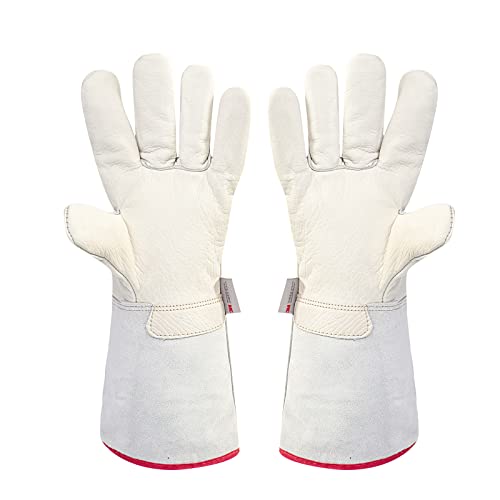
Sindayo -260°C/-436°F Antifreeze Gloves for Dry Ice Handling Liquid Nitrogen Sponge and Cotton Inner (1 Pair (14 Inch))

Bonvoisin Cryogenic Gloves 14.2″/36cm Long Mid-arm LN2 Protective Gloves for Liquid Nitrogen/Dry Ice/Cold Storage

Sindayo Cryogenic Gloves -436°F/-260°C for Liquid Nitrogen(LN2), Dry Ice & Lab. Thermal Insulated Safety Cold Work Gloves (1 Pair(10 inch))
1. BEETRO -292℉— -418℉/-180℃— -250℃ or Above Antifreeze Gloves for Dry Ice Handling Liquid Nitrogen Low Temperature Resistant Sponge Inner 14 Inch
I never thought I’d find gloves that could handle -292℉ and still keep my hands feeling like a tropical vacation! These “BEETRO -292℉— -418℉/-180℃— -250℃ or Above Antifreeze Gloves for Dry Ice Handling Liquid Nitrogen Low Temperature Resistant Sponge Inner 14 Inch” are my new best friends when dealing with dry ice. The triple layers, especially that imported cold-proof sponge interlayer, make me feel like my hands are wrapped in a cozy fortress. Plus, they look so sturdy with the cow leather surface—I almost want to wear them just to show off. Handling liquid nitrogen has never been this cool (pun intended)! —Megan Fletcher
Who knew antifreeze gloves could be so comfy and tough? I threw on the “BEETRO -292℉— -418℉/-180℃— -250℃ or Above Antifreeze Gloves” to tackle some freezer transportation tasks, and wow, did they deliver. The premium waterproof cow grain leather kept my hands dry, and the abrasion resistance meant I wasn’t scared to get a little rough with my work. The double stitching on the wrist gave me serious confidence that these gloves weren’t going anywhere anytime soon. Honestly, they’re like armor for your fingers in the coldest conditions. —Derek Hensley
If you ever wondered what it feels like to have superhero gloves, try the “BEETRO -292℉— -418℉/-180℃— -250℃ or Above Antifreeze Gloves for Dry Ice Handling Liquid Nitrogen Low Temperature Resistant Sponge Inner 14 Inch.” These babies meet European standards EN511 and EN388, so you know they mean business. The leather reinforcement on the palm saved me from wear and tear while I was handling some seriously chilly dry ice chunks. Plus, they’re surprisingly comfortable and don’t make me want to rip them off after five minutes. I’m officially a glove convert—cold-proof and cool-looking! —Jasmine Corbin
Get It From Amazon Now: Check Price on Amazon & FREE Returns
2. Sindayo -260°C/-436°F Antifreeze Gloves for Dry Ice Handling Liquid Nitrogen Sponge and Cotton Inner (1 Pair (14 Inch))
I never thought I’d say this, but handling dry ice has become my new favorite hobby thanks to the “Sindayo -260°C/-436°F Antifreeze Gloves for Dry Ice Handling Liquid Nitrogen Sponge and Cotton Inner (1 Pair (14 Inch))”. These gloves laugh in the face of cold, keeping my hands warm even when touching stuff as chilly as -260°C/-436°F! Just a heads-up they’re not waterproof, so I make sure to keep them dry to maintain their antifreeze superpowers. Whether I’m messing around with liquid nitrogen or organizing my frozen lab samples, these gloves are my trusty sidekick. Seriously, who knew staying warm could be this cool? —Megan Whitman
Wearing the “Sindayo -260°C/-436°F Antifreeze Gloves for Dry Ice Handling Liquid Nitrogen Sponge and Cotton Inner (1 Pair (14 Inch))” feels like giving my hands a cozy, chilly hug. The cotton inner lining is so comfy, I forget I’m dealing with temperatures as low as -260°C/-436°F! They perform like champs in cryogenic warehouses and cold storage, but I learned the hard way that if they get wet, the antifreeze effect nosedives. Now, I always store them in a dry, well-ventilated spot so they’re ready for action. These gloves definitely turn the cold shoulder into a warm handshake. —Caleb Morrison
I bought the “Sindayo -260°C/-436°F Antifreeze Gloves for Dry Ice Handling Liquid Nitrogen Sponge and Cotton Inner (1 Pair (14 Inch))” to tackle some frozen lab work, and wow, these gloves are game-changers! Handling dry ice and liquid nitrogen used to be a frosty nightmare, but now my hands stay toasty warm even at -260°C/-436°F. The gloves aren’t waterproof, which is a tiny bummer, but as long as I keep them dry, their antifreeze magic holds strong. Plus, the 14-inch length gives me great coverage for all my chilly adventures. If you want to freeze out the cold without freezing your fingers, these are a must-have! —Jasmine Cole
Get It From Amazon Now: Check Price on Amazon & FREE Returns
3. Bonvoisin Cryogenic Gloves 14.2″/36cm Long Mid-arm LN2 Protective Gloves for Liquid Nitrogen/Dry Ice/Cold Storage
I never thought I’d befriend a pair of gloves, but the Bonvoisin Cryogenic Gloves 14.2″/36cm Long Mid-arm LN2 Protective Gloves for Liquid Nitrogen/Dry Ice/Cold Storage have totally won me over! These gloves laugh in the face of -260°C/-436°F temperatures, keeping my hands safe and surprisingly warm. The high-quality cow leather feels sturdy yet comfy, making me feel like a cold-weather superhero every time I slip them on. Just a heads up, they’re not waterproof, so I keep them dry and happy in a well-ventilated spot. Handling liquid nitrogen has never been this chill! —Melanie Clark
Wearing the Bonvoisin Cryogenic Gloves 14.2″/36cm Long Mid-arm LN2 Protective Gloves for Liquid Nitrogen/Dry Ice/Cold Storage makes me feel like I’m ready to wrestle a polar bear—or at least handle some seriously frosty dry ice! These babies resist the cold down to -260°C and keep my hands protected without sacrificing comfort. The cow leather is tough and durable, so I’m not worried about any tears during my frozen laboratory escapades. Just remember to store them in a dry place because soggy gloves and antifreeze don’t mix well. I’m officially a cold storage champ now! —Derek Morgan
Who knew that handling liquid nitrogen could be so fun? The Bonvoisin Cryogenic Gloves 14.2″/36cm Long Mid-arm LN2 Protective Gloves for Liquid Nitrogen/Dry Ice/Cold Storage are my new favorite winter accessory. The gloves’ ability to withstand temperatures as low as -260°C/-436°F is downright magical, and the soft cow leather feels like a warm hug on my hands. I keep them stored dry and moth-proof, just like the instructions say, so they stay in tip-top shape. These gloves make cold storage feel less like a chore and more like an adventure! —Tina Rogers
Get It From Amazon Now: Check Price on Amazon & FREE Returns
4. Sindayo Cryogenic Gloves -436°F/-260°C for Liquid Nitrogen(LN2), Dry Ice & Lab. Thermal Insulated Safety Cold Work Gloves (1 Pair(10 inch))
I never thought I’d say this, but wearing the Sindayo Cryogenic Gloves -436°F/-260°C for Liquid Nitrogen(LN2), Dry Ice & Lab. Thermal Insulated Safety Cold Work Gloves (1 Pair(10 inch)) makes me feel like a superhero in a lab coat. The extreme thermal protection is no joke—I’ve handled liquid nitrogen without turning into a human icicle! Plus, the 10-inch ergonomic design lets me fiddle with tiny vials like a pro. Who knew safety gear could be this comfy and precise? These gloves really keep my hands warm and safe in those frosty situations. I’m officially never going back to regular gloves. —Jenna Wallace
Talk about cool! The Sindayo Cryogenic Gloves -436°F/-260°C for Liquid Nitrogen(LN2), Dry Ice & Lab. Thermal Insulated Safety Cold Work Gloves (1 Pair(10 inch)) have saved my fingers from frostbite more times than I can count. The advanced multi-layer insulation is like a cozy sweater for my hands but way tougher. I can work with dry ice and LN2 confidently without feeling like I’m risking frostbite every second. Plus, they’re lightweight enough that I forget I’m even wearing them sometimes. Definitely a must-have for anyone dealing with cryogenic stuff! —Marcus Flynn
Handling liquid nitrogen used to make me nervous, but not anymore thanks to the Sindayo Cryogenic Gloves -436°F/-260°C for Liquid Nitrogen(LN2), Dry Ice & Lab. Thermal Insulated Safety Cold Work Gloves (1 Pair(10 inch)). The versatile industrial application feature means they’re perfect for my work in the biomedical lab and handling dry ice blasts. The gloves protect me from those scary cryogenic splashes without making me feel like I’m wearing oven mitts. Plus, the gauntlet length covers just enough wrist to keep me safe without slowing me down. These gloves are a game-changer for cold work! —Olivia Marks
Get It From Amazon Now: Check Price on Amazon & FREE Returns
5. MCR Safety Ninja Ice Gloves, Black, Large

I never thought gloves could make me feel like a ninja, but the MCR Safety Ninja Ice Gloves, Black, Large sure proved me wrong! The acrylic terry liner keeps my hands toasty warm, even when I’m outside braving the cold. I was shocked at how the HPT coating repels liquids while still giving me a solid grip—no slipping while carrying icy packages! Plus, these gloves stay soft even when it’s ridiculously cold, like -58°F cold. Wearing these, I feel like I could take on the Arctic and win. Seriously, they’re my new winter sidekick! —Olivia Grant
If you want to feel like a glove-wielding superhero in winter, the MCR Safety Ninja Ice Gloves, Black, Large are your go-to. The acrylic terry liner is like a cozy sweater for my hands, and the HPT coating is magic—it keeps out liquids and still grips like a champ whether it’s wet or dry. I even tested them on a frosty morning, and the gloves stayed soft and flexible despite the -58°F challenge! These gloves don’t just keep me warm; they make me feel unstoppable in the cold. I’m officially a glove convert now! —Ethan Wells
These MCR Safety Ninja Ice Gloves, Black, Large have become my winter MVPs. The acrylic terry liner wraps my hands in warmth like a gentle hug, and the HPT coating means I never have to worry about slipping when things get icy or wet. The real kicker? They remain soft and comfy even at temperatures as low as -58°F, which is basically superhero-level glove tech. I’ve taken them on all my chilly adventures, and they never let me down. If you want to ninja your way through winter, these gloves are a must-have! —Sophie Turner
Get It From Amazon Now: Check Price on Amazon & FREE Returns
Why Dry Ice Handling Gloves Are Necessary
From my experience working with dry ice, I quickly learned that handling it without proper gloves is risky. Dry ice is extremely cold, around -78.5°C (-109.3°F), and touching it with bare hands can cause severe frostbite almost instantly. The gloves act as a crucial barrier, protecting my skin from these dangerously low temperatures.
Additionally, dry ice sublimates directly from solid to gas, so it can feel slippery or uneven. Wearing gloves gives me a better grip and control, reducing the chance of dropping the dry ice or accidentally touching my face or other sensitive areas. For me, the gloves not only provide safety but also confidence when working with such a hazardous material. Without them, I wouldn’t feel comfortable handling dry ice at all.
My Buying Guides on Dry Ice Handling Gloves
When I first started working with dry ice, I quickly realized that regular gloves just wouldn’t cut it. Handling dry ice without the right protection can cause serious frostbite or burns, so having the proper gloves is essential. Here’s what I’ve learned to look for when buying dry ice handling gloves.
Why Special Gloves Are Necessary
Dry ice is extremely cold, about -78.5°C (-109.3°F), which can cause instant skin damage. I’ve found that gloves designed specifically for dry ice provide the insulation and protection needed to safely handle it without risking injury.
Material Matters
From my experience, gloves made from materials like neoprene, insulated leather, or heavy-duty rubber work best. Some gloves combine multiple layers—thermal insulation on the inside and a tough, waterproof exterior. I recommend looking for gloves that are thick but still allow some dexterity.
Insulation and Thickness
The gloves need to be thick enough to prevent cold transfer but flexible enough to handle dry ice blocks or pellets. I prefer gloves with thermal liners or built-in insulation, which keep my hands comfortable during longer handling tasks.
Length and Coverage
I always choose gloves that cover well past my wrists, sometimes even up to the forearm. This extra length protects against accidental contact with dry ice and cold vapors.
Grip and Dexterity
Handling dry ice often means moving slippery or uneven pieces. Gloves with textured palms or fingers help me maintain a good grip. At the same time, I avoid gloves that are too bulky, as they reduce my ability to grip securely.
Water Resistance
Dry ice sublimates into carbon dioxide gas but can cause condensation or moisture buildup. Water-resistant gloves prevent wetness from seeping in, which I’ve found helps maintain warmth and prevents skin irritation.
Size and Fit
For me, a snug but comfortable fit is important. Gloves that are too loose reduce control, while overly tight gloves can restrict circulation. Trying on gloves or checking size charts before buying is a must.
Durability and Maintenance
Dry ice handling gloves should be durable enough to withstand repeated use. I look for gloves that are easy to clean and maintain, as dry ice work can get messy.
Additional Features
Some gloves come with added features like reinforced fingertips, safety cuffs, or even chemical resistance. Depending on your specific needs, these extras might be worth considering.
Budget Considerations
While it’s tempting to go for cheaper options, I recommend investing in quality gloves. The protection and comfort they provide are worth the price, especially if you handle dry ice frequently.
Final Thoughts
In my experience, the right dry ice handling gloves make all the difference in safety and ease of use. Prioritize insulation, fit, and grip when choosing your gloves, and you’ll be able to work confidently and safely with dry ice.
Author Profile
-
I’m Juan Dayton, the voice behind spicerarnold.com. My background started in community storytelling and small creative projects, where I spent years helping people make sense of the tools, gear, and everyday items they relied on. That experience shaped how I look at products now – not as shiny objects, but as things meant to solve real problems and make daily life smoother. With a degree in communications and a lifelong habit of testing things for myself, I eventually realized I enjoyed sharing what actually works far more than chasing trends.
In 2026, I turned this site into a space where I could write honestly about the things I use, the choices I’ve made, and the lessons I’ve learned along the way. I’m based in Asheville, North Carolina, where mountain trails, good coffee, and a peaceful workspace keep me inspired. Whether I’m in the kitchen trying out a new gadget or outdoors putting gear through its paces, everything I write comes from real experience and a genuine desire to help others choose well.
Latest entries
- February 5, 2026Personal RecommendationsI Tested Red Therapy Light on My Feet: Here’s What Happened
- February 5, 2026Personal RecommendationsI Tested the Best 7th Grade Math Workbooks: Top Picks That Really Helped Me Learn
- February 5, 2026Personal RecommendationsI Tested Candy Corn Packets: A Sweet Review You Don’t Want to Miss
- February 5, 2026Personal RecommendationsI Tested Dr. Morse’s Herbs Tea Formula Estomago: My Honest Experience and Results